Exhibit: Crystals and Gemstones for Love and Romance
For thousands of years and in cultures all around the world, gems and minerals have been used for love and romance. In this exhibit we will be taking a look at many of those minerals.
First what is a mineral and what is a gem? A mineral is a naturally occurring solid substance with a crystalline structure and defined chemical composition. A gem is any mineral, rock, crystal, or even organic material, that has been cut or polished and is prized for its beauty, rarity, and durability. We’ll also define crystal which is a solid material in which the component atoms are arranged in a definite pattern and whose surface regularity reflects its internal symmetry. Crystals can be organic like sugar, but for this exhibit we will be focusing on inorganic crystals and minerals.
The organized atomic and molecular structure of crystals allows light to pass through them easily, giving them their transparency and ability to dazzle in the light. Humans have considered crystals beautiful for thousands of years, and they have been made into jewelry and other precious objects, and have been elevated to a place of importance in many societies. Their beauty and rarity makes them prized objects, but some go even further and believe the stones carry spiritual and metaphysical properties. Whatever you believe, it’s clear that when it comes to sex, love, and human connection, gemstones have had a place in many cultures throughout the world, and we will be exploring that in this exhibit.
Already listed here are various minerals with images, some video, the mineral’s chemical formula as well as information about the type and shape of the crystal formations also known as the habit. Much more will be coming soon, including more photos, videos, anecdotes from history and current times, as well as opportunities to buy your own gems and jewelry.
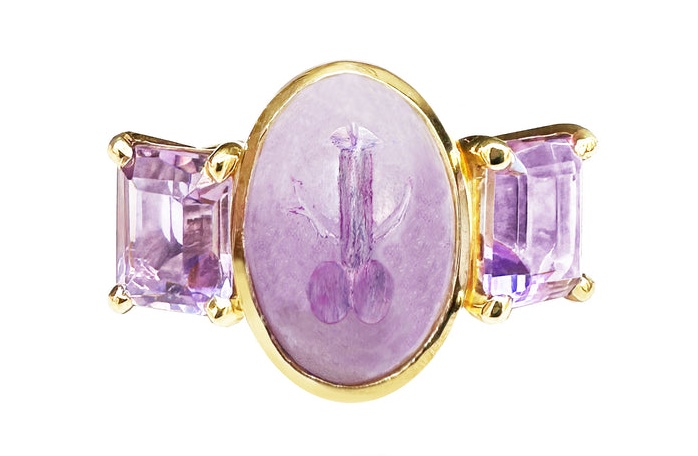
Amethyst
Formula: SiO2
Crystal habit: 6 sided prism ending in 6 sided pyramid
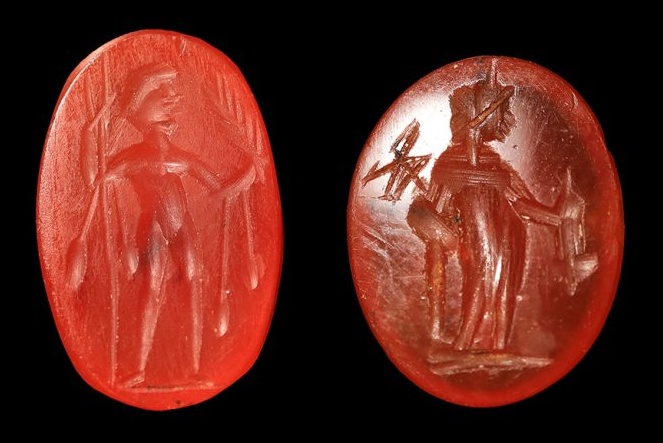
Carnelian
Formula: SiO2
Crystal habit: massive, cryptocrystalline, botryoidal
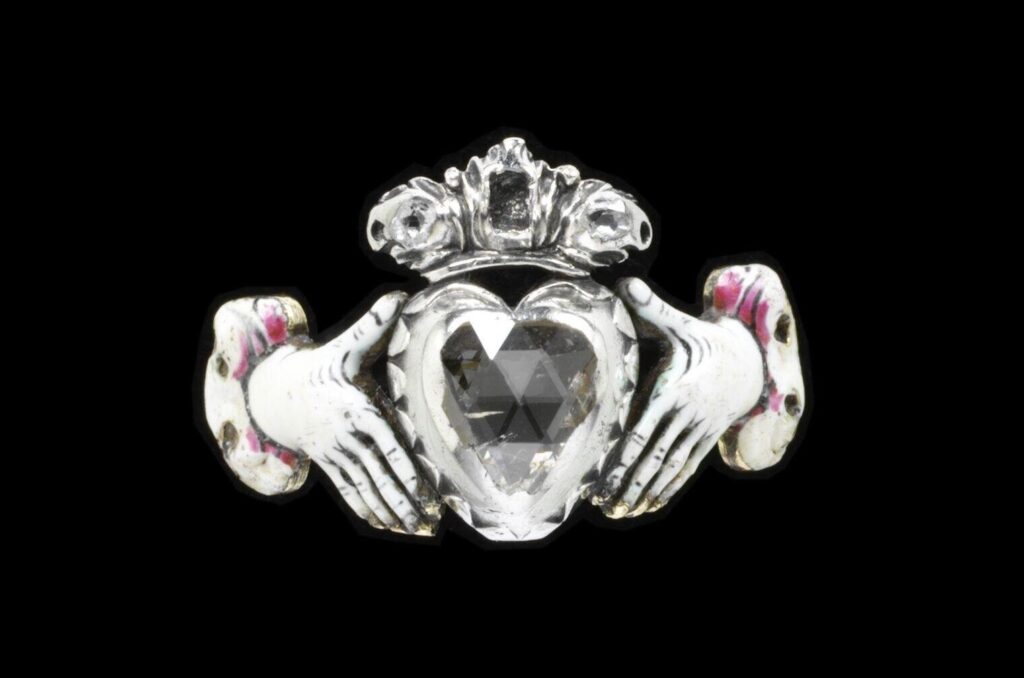
Diamond
Formula: C
Crystal habit: Octahedral
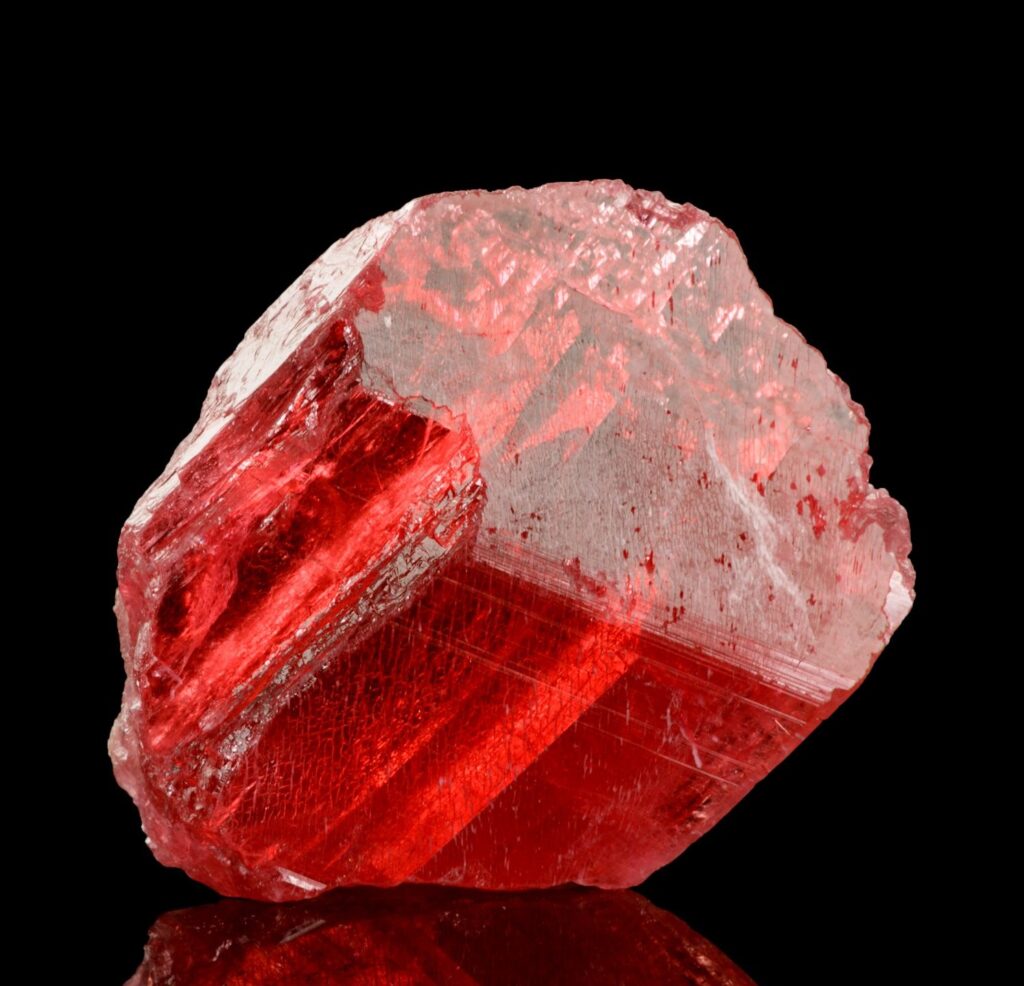
Rhodonite
Formula: (Mn2+, Fe2+, Mg, Ca)SiO3
Crystal habit: tabular, massive, granular
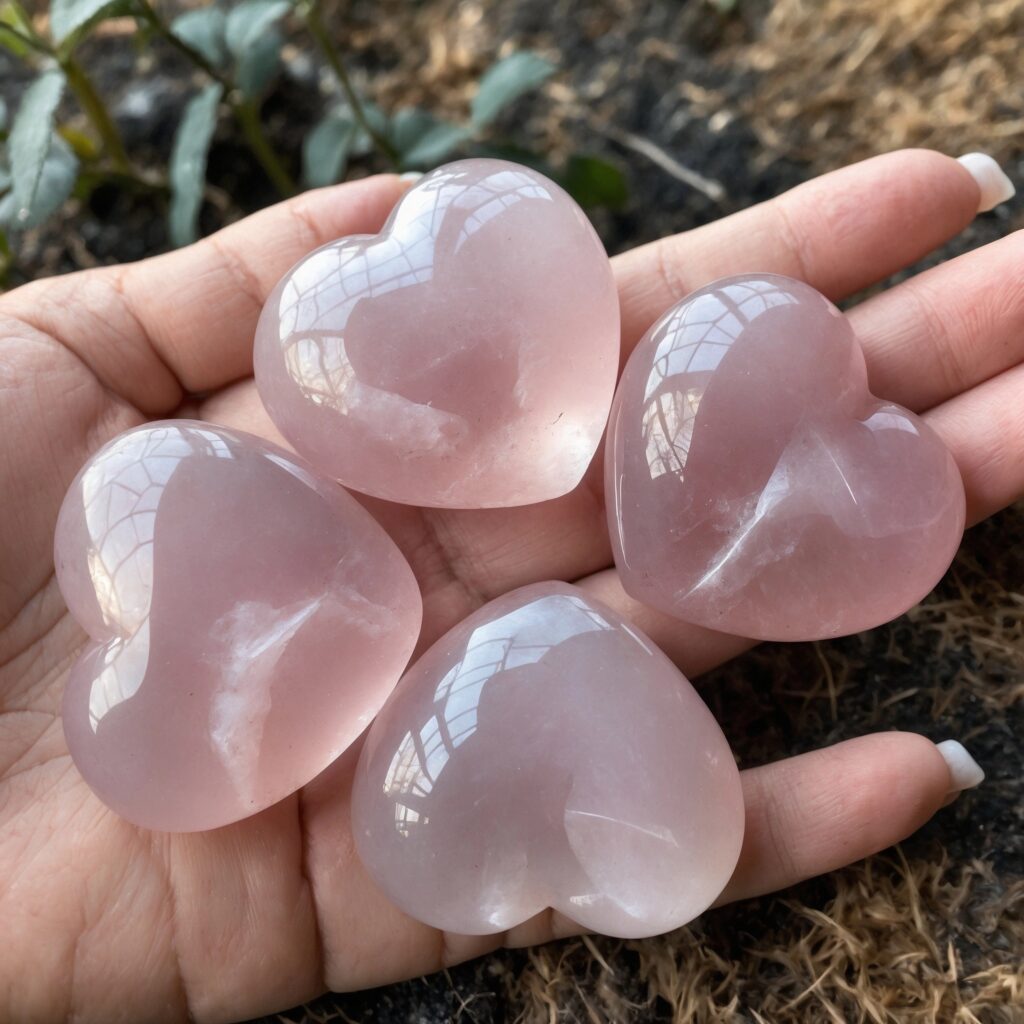
Rose Quartz
Formula: SiO2
Crystal habit: massive
Before you go out and attempt to purchase these minerals and gems for your own romantic and personal life, know that all of the stones listed above are free from toxic elements such as aluminum and are generally safe to use and purchase. The minerals following this notice may contain aluminum or other harmful toxins. Although they look beautiful and have history behind them, use caution.
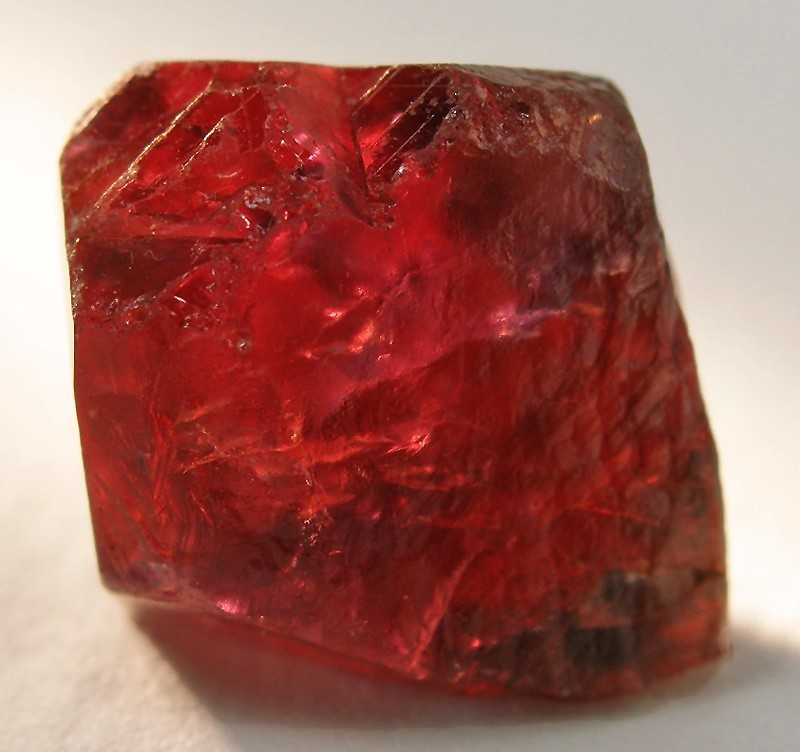
Ruby
Formula: Al2O3 (Aluminum Oxide)
Crystal habit: terminated tabular hexagonal prisms
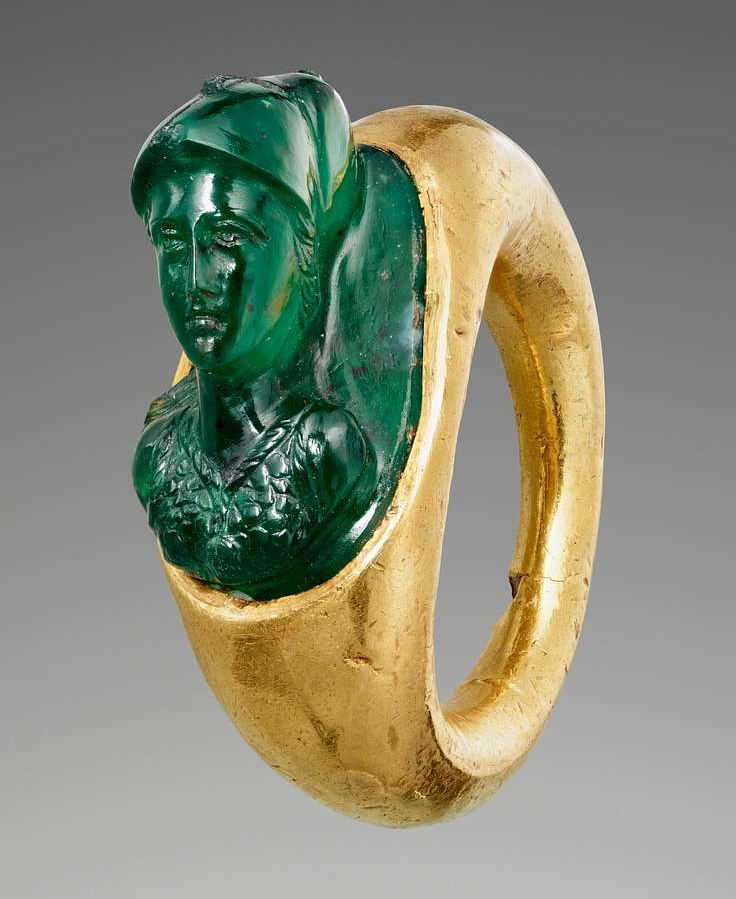
Emerald
Formula: Be3Al2(SiO3)6
Crystal habit: hexagonal prismatic
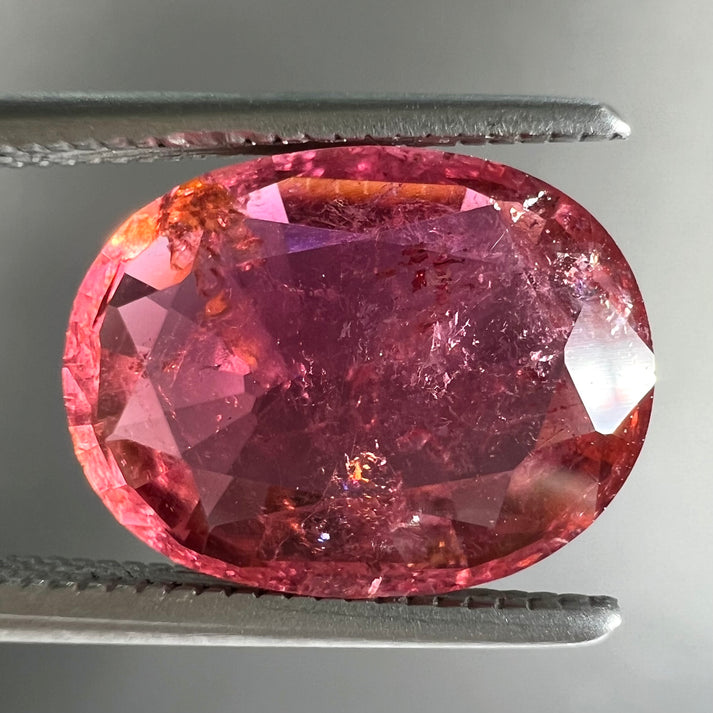
Pink Tourmaline
Formula: Na(Al1.5Li1.5)Al6(Si6O18)(BO3)3(OH)3OH
Crystal habit: striated prismatic
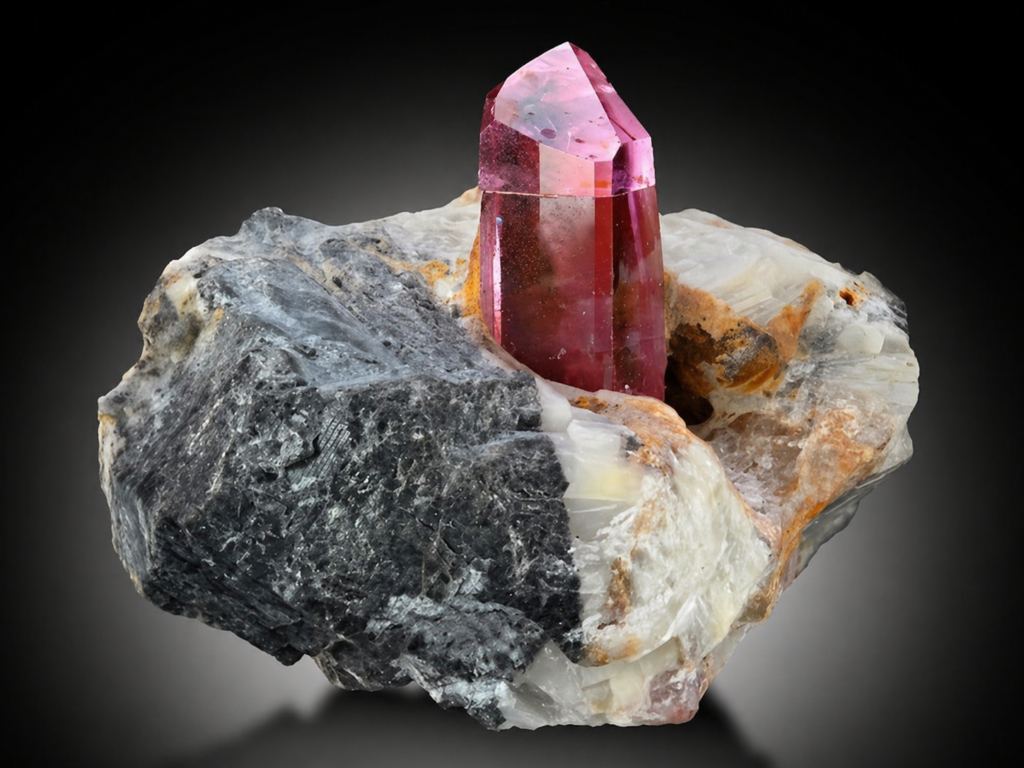
Pink Topaz
Formula: Al2SiO4(F, OH)2
Crystal habit: prismatic with pyramidal terminations
Moonstone
Formula: (Na,K)AlSi3O8
Crystal habit: prismatic
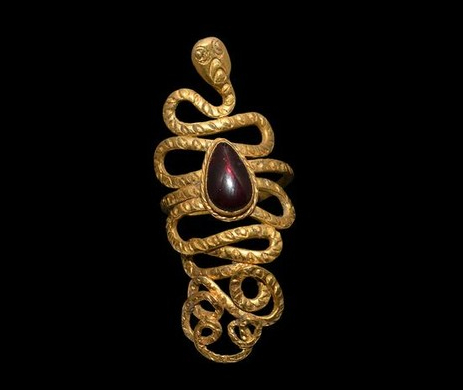
Garnet
Formula: Mg,Fe,Mn]3Al2(SiO4)3
Crystal habit: Rhombic dodecahedron, trapezohedron
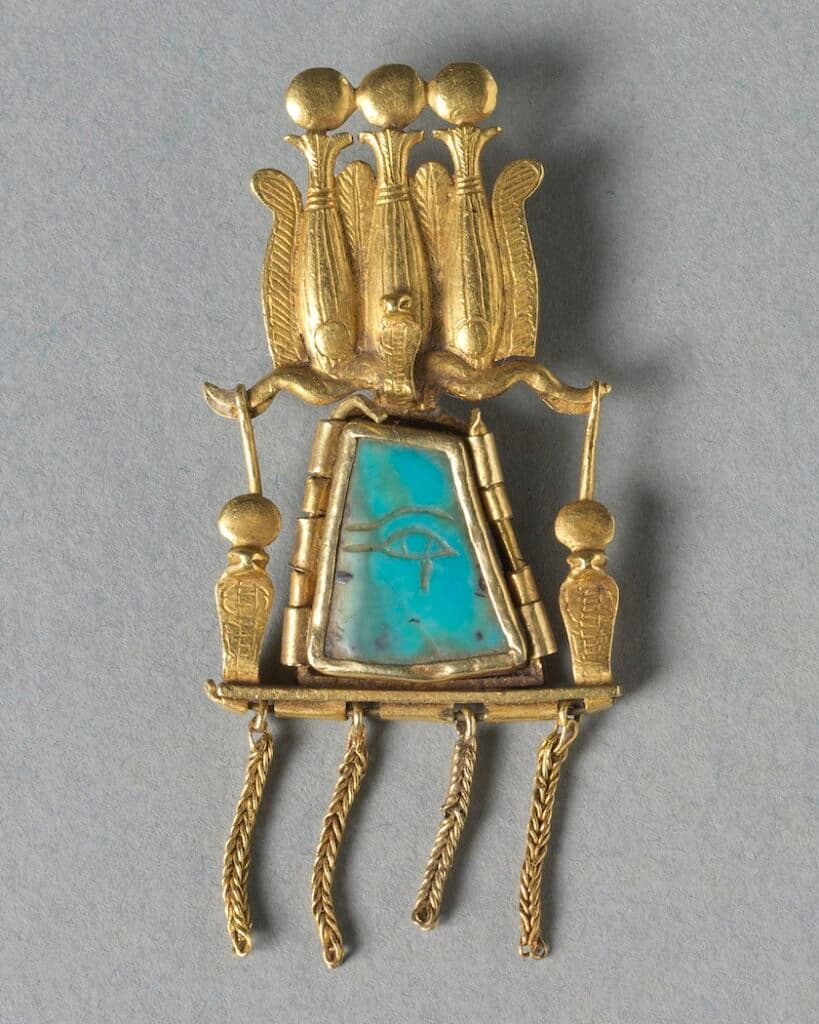
Turquoise
Formula: CuAl6(PO4)4(OH)8·4H2O
Crystal habit: massive, nodular